




.avif)


// Initialize the Recall AI SDK
RecallAiSdk.init({
  api_url: API_URL
});

// When a meeting is detected, get an upload token and start recording
RecallAiSdk.addEventListener ("meeting-detected", async (evt) -> {
  const { window: { id } } = evt;
  const { upload_token } = await createDesktopSdkUpload();

  RecallAiSdk.startRecording({
    windowId: id,
    uploadToken: upload_token
  });
});


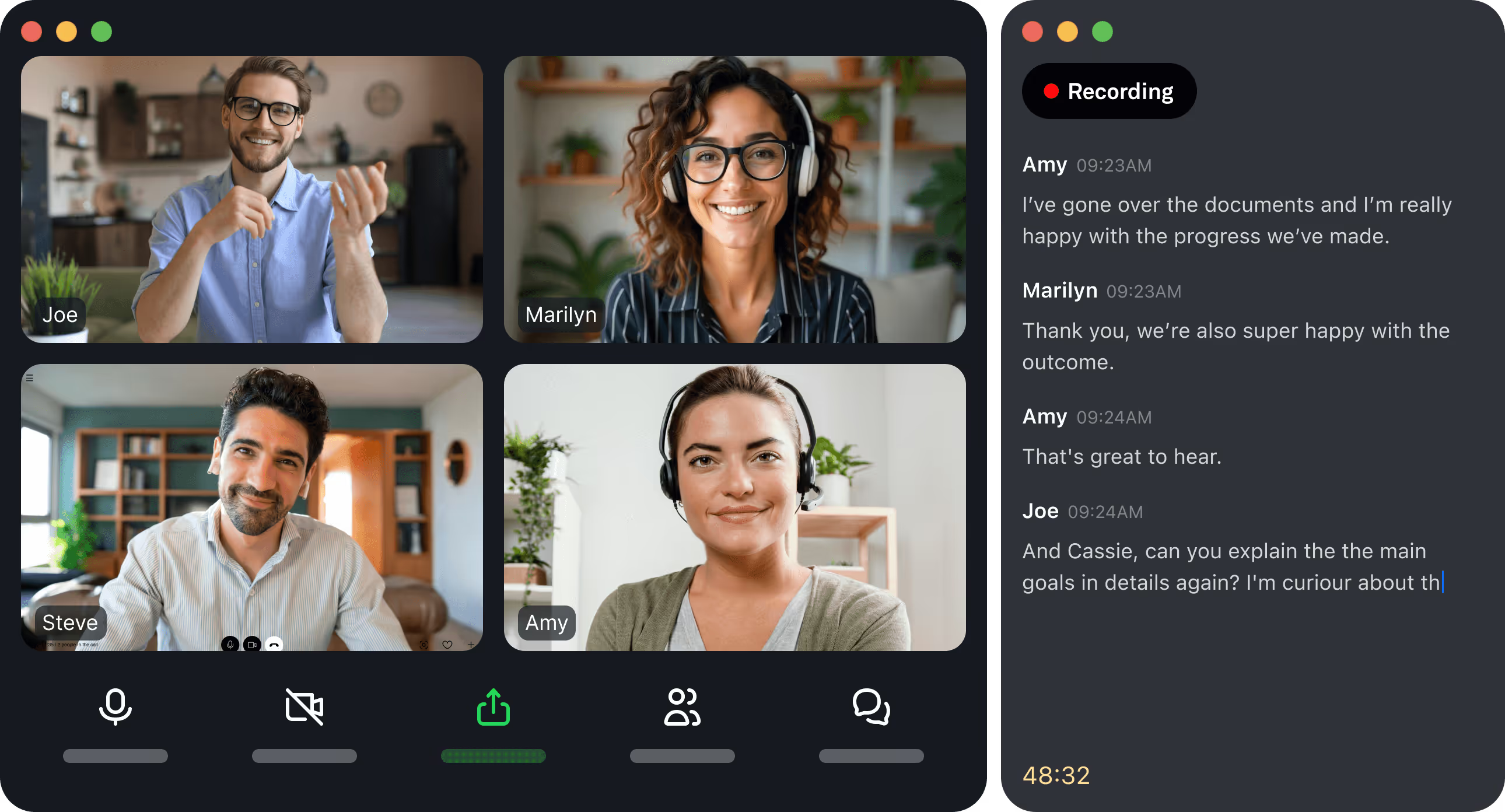
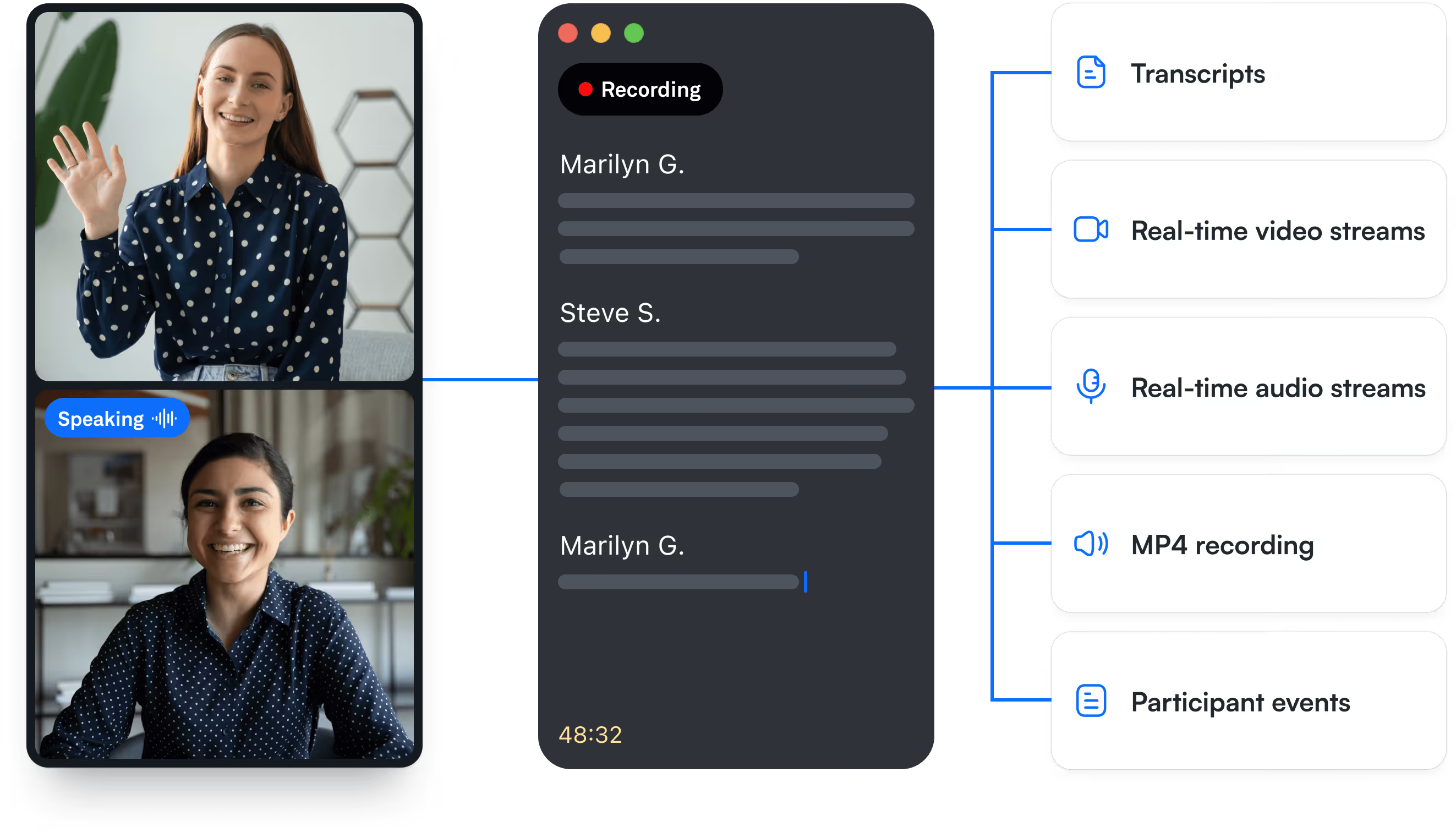
Recall.ai's Desktop Recording SDK captures audio, video, and transcripts with speaker names directly on Windows and macOS for all of the major meeting platforms.
No, the user of any desktop app with Recall.ai's Desktop Recording SDK integrated can start recording without the hosts permission, though all end users of apps built with the Desktop Recording SDK are responsible for following the laws governing consent.
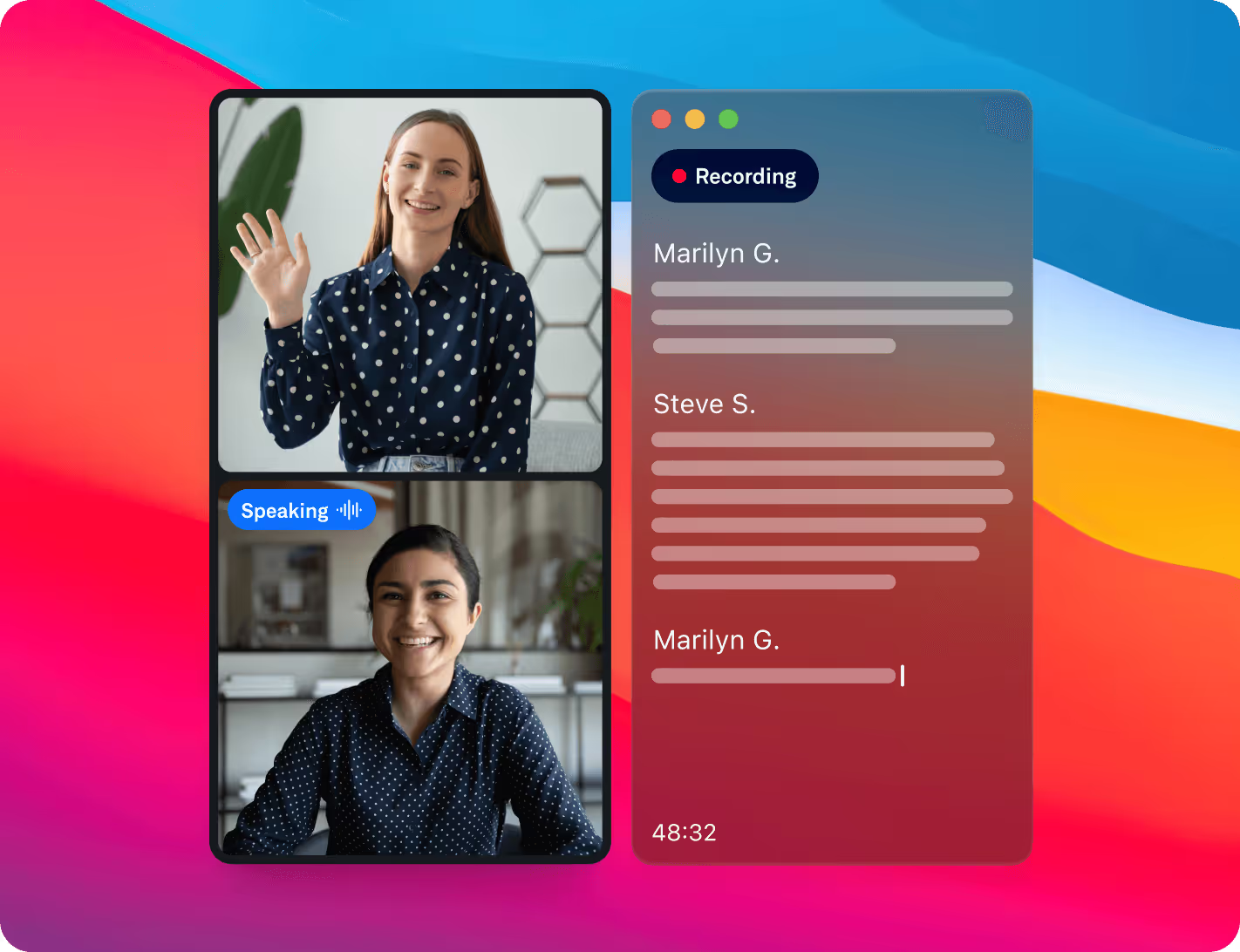
Yes. The Recall.ai Desktop Recording SDK delivers real-time transcripts with speaker labels during the meeting and after the meeting ends. The speaker labels delivered are actual speaker names (eg. “John Smith”), not placeholders (eg. “Speaker 1”).
Yes, Recall.ai is SOC 2, ISO 27001:2022, GDPR, CCPA, and HIPAA compliant.
We can store or pass through data, depending on your needs and compliance requirements.
Yes. You can get both audio and video recordings and speaker-labeled transcripts of a meeting within minutes after it ends, along with meeting artifacts such as meeting metadata and participant emails.
Recall.ai's Desktop Recording SDK works with all frameworks, including Electron, Tauri, native Mac apps, native Windows apps, and more.
Yes. If you want to record a meeting you need to be present in that meeting.
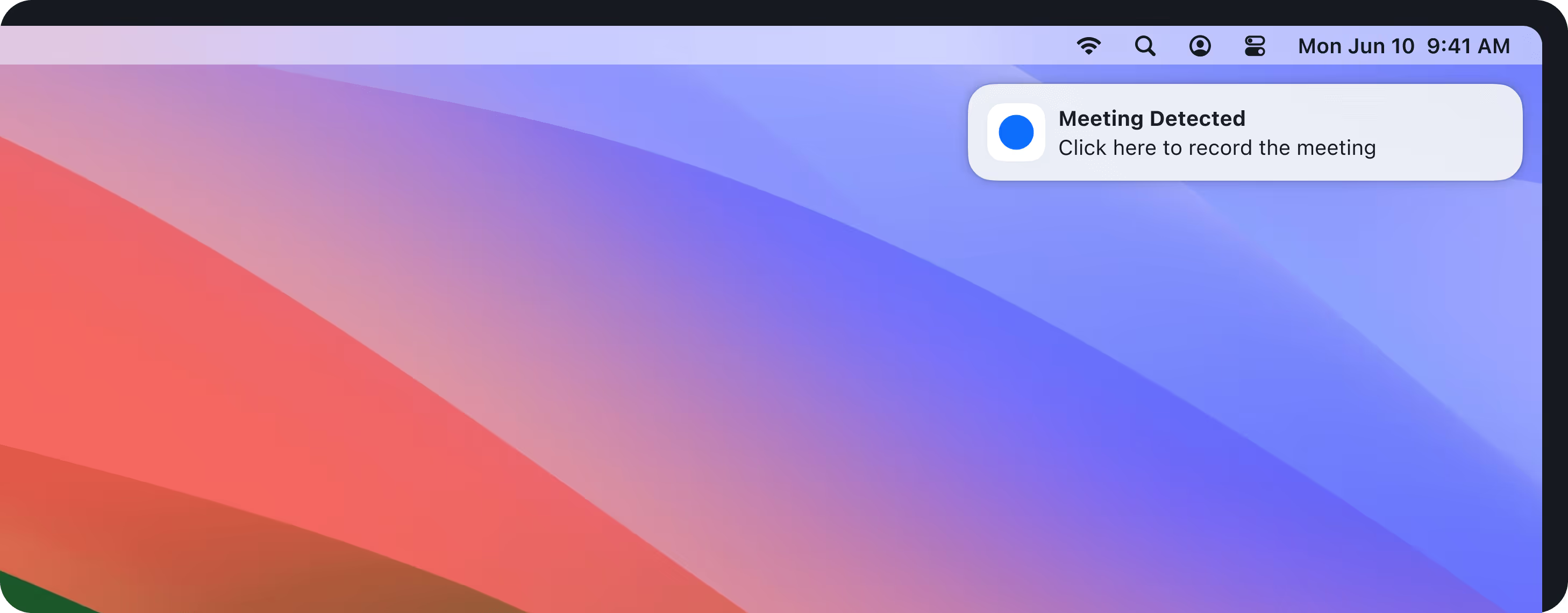
Yes. The Desktop Recording SDK can detect meetings taking place on your laptop and you can set the Desktop Recording SDK to record automatically so that you don't forget to hit record. This helps prevent the common human issue of forgetting to record meetings. It can also record in-person conversations and VoIP calls.
No. The Desktop Recording SDK only records the conversation when an active recording session has been started. It does not continuously listen to or store conversations outside of recording sessions. Additionally, the SDK does not solely rely on microphone activity to detect meetings, so personal calls, voice notes or unrelated microphone activity will not trigger recording.
You can use Recall.ai Transcription or you can bring your own API keys for any of our transcription providers.
You can call the Retrieve Recording endpoint to get data such as audio, video, and transcripts from a meeting. This endpoint works for both meeting bots and the Desktop Recording SDK.
MacOS permissions are fully configurable and include microphone access, screen recording access, and accessibility permissions. There are no permissions needed on Windows, as Windows does not have a permissioning system.
Building a production-ready desktop recorder that works reliably across meeting platforms, devices, operating systems, and real-world user conditions is significantly more complex than simply capturing audio and video streams.
Recall.ai’s Desktop Recording SDK handles the infrastructure and edge-case challenges involved in building a desktop recorder, including capturing actual speaker names (eg. “John Smith”, not “Speaker 1”), mute-state detection, echo cancellation and unreliable user network conditions. It also ensures high-quality recordings and transcripts, allowing engineering teams to focus on building differentiating features into their product instead of maintaining recording infrastructure.


